
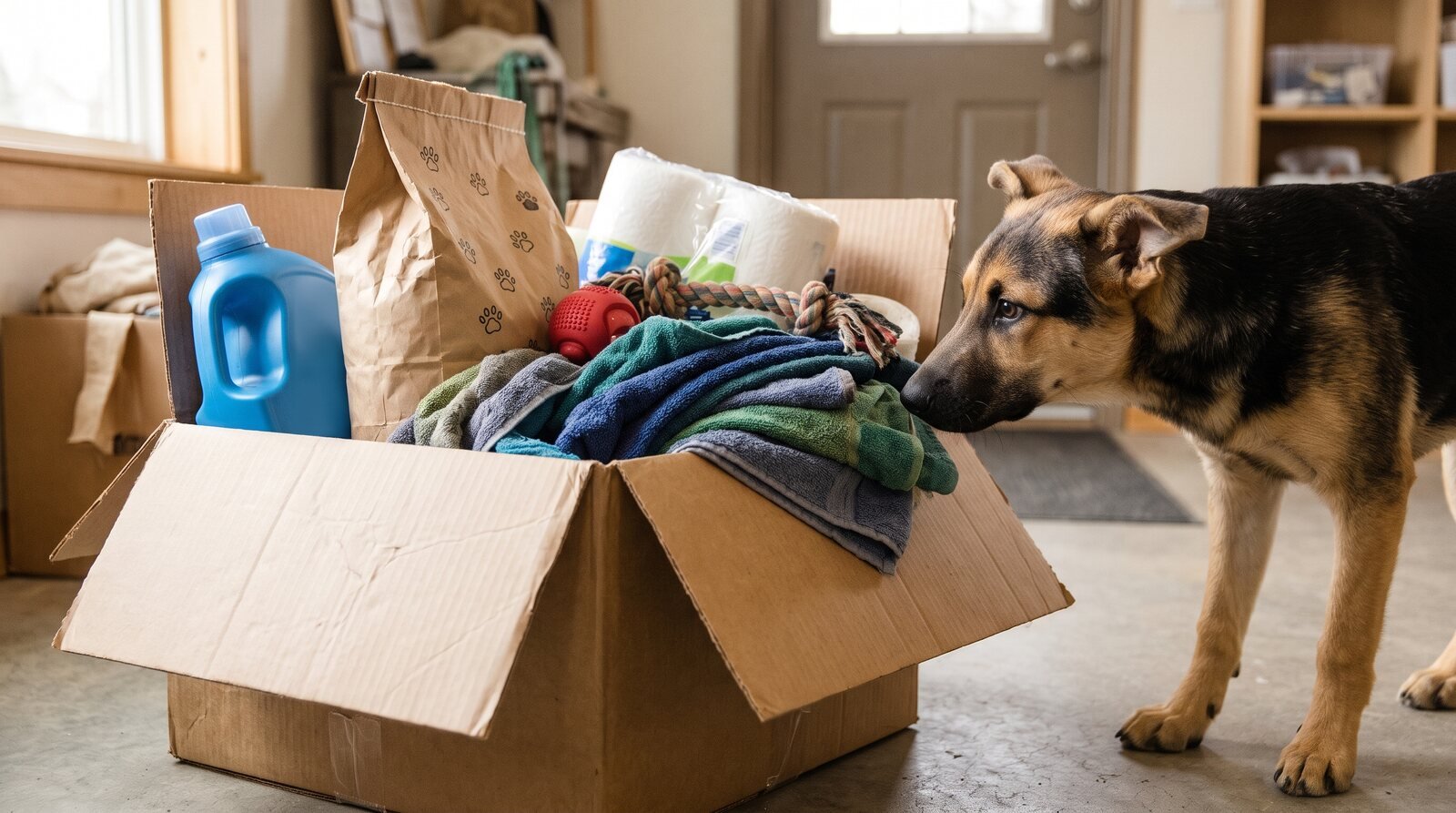
The donation animal shelters can use most is money, because it pays for the thing nobody can donate in a bag: vet care. After cash, the items shelters and rescues go through fastest are cleaning supplies, laundry detergent, paper towels, cat litter, sturdy toys and the specific food they already feed. The surest way to help is to check the shelter’s own wish list or call before you shop. Every shelter’s needs are a little different, and some items people often donate end up in the trash.
Why cash goes furthest
A shelter or rescue buys vaccines, surgery, medication and food in bulk or at rescue pricing, so $25 in its hands often buys more than $25 of the same items at retail. Cash also covers emergencies: the dog hit by a car, the litter of kittens with an upper respiratory infection, the heartworm treatment. A small monthly donation is even better, because it lets the rescue plan.
If your gift goes to a registered 501(c)(3), it may be tax-deductible if you itemize. Ask for a receipt, especially for gifts of $250 or more.
Items shelters almost always use
Cleaning and laundry
- Bleach and unscented laundry detergent (HE detergent if they have front-loading machines)
- Paper towels and heavy-duty trash bags
- Dish soap and disposable gloves
- Enzyme cleaner for accidents
These are the least exciting donations and among the most used. Shelters wash laundry and disinfect kennels all day, every day.
Cat supplies
- Cat litter (ask whether they want clumping or non-clumping)
- Disposable litter trays or cardboard flats
- Canned kitten food during kitten season, roughly spring through fall
- Wand toys and scratchers
Dog supplies
- Sturdy rubber toys such as KONG Classics, which stand up to kennel use and can be stuffed for enrichment
- Training treats, small and soft
- Martingale collars and leashes
- Peanut butter without xylitol, for stuffing toys. Check the label, because xylitol is toxic to dogs
Bedding
Many shelters welcome old towels, sheets and fleece blankets, especially for cats and puppies. Some don’t have the laundry capacity for big comforters, and many can’t use pillows or anything with stuffing, which dogs shred and can swallow. Ask first.
Food: ask before you buy
Food is the most donated item and the one most often wasted. Many shelters feed one brand so animals’ stomachs don’t get upset by sudden diet changes, and switching foods can cause diarrhea. Others accept any unopened food to send home with foster families or to a pet food pantry. Call and ask which brand they use, or donate a gift card to the store they buy from.
Office and adoption supplies
- Postage stamps, printer paper and ink
- Gift cards to pet supply stores, hardware stores or office supply stores
- Gas cards for transport volunteers
What shelters usually can’t use
- Opened food or treats, which many shelters can’t accept for safety reasons
- Medications, even pet medications, unless the shelter’s vet has asked for them
- Rawhide and cooked bones, which many shelters ban because of choking and blockage risk
- Stuffed toys for dogs who are kenneled alone, since stuffing gets swallowed
- Broken crates and worn-out collars
- Live animals, unless you’re surrendering through the shelter’s intake process
Shopping that gives back
Help a rescue with a gift you would buy anyway
When you order a custom pet portrait through a rescue’s Gifted Whiskers page, 60% of our profit goes to that rescue. Rescue Me WV in West Virginia is running one for Christmas right now.
How to find a shelter’s real wish list
- Check its website for a “donate” or “wish list” page.
- Look for an online wish list, such as Amazon or Chewy. Items ship straight to the shelter, which spares staff the sorting.
- Check its Facebook page. Rescues often post urgent needs, like kitten formula in May or straw for outdoor cats before winter.
- Call the front desk and ask, “What are you running low on this week?”
Foster-based rescues need different things
Many rescues have no building at all. Their animals live in volunteers’ homes, so donated supplies get handed out to fosters. These groups often need cash and gift cards more than goods, because they have nowhere to store a carload of donations. They also need things a shelter doesn’t:
- Crates and exercise pens in good condition
- Baby gates
- Gas money for vet trips and transport
- Help with vet bills, which can be paid straight to the clinic
Ways to give that cost you nothing extra
If money’s tight, there are ways to help a rescue with what you’re already spending:
- Birthday fundraisers on Facebook, where friends give instead of buying you a gift
- Shopping through a rescue’s partner page, where the store sends part of the sale to the rescue. On Gifted Whiskers, for example, rescue partner pages send 60% of our profit from every order to that rescue. Rescue Me WV’s Christmas fundraiser page works this way.
- Employer matching, since many companies double employee donations to 501(c)(3)s
- Your time, through laundry shifts, dog walking, transport and photos. See our guide on how to volunteer at an animal shelter.
Organizing a donation drive
Running a drive at school, church or work? Ask the shelter for its top five needs first, then put only those on your flyer. A box of 40 bottles of bleach and 30 bags of litter helps far more than 70 random items someone has to sort. Set a drop-off date with the shelter in advance, so staff are ready to receive it.
If you run a rescue and want a steady stream of donations without organizing an event, see our guide to animal rescue fundraiser ideas. It includes options that take almost no volunteer time.
What shelters need at different times of year
- Spring and summer: kitten season. Kitten formula, bottles, canned kitten food, heating pads with an auto shut-off, and foster homes.
- Fall: supplies before the holidays, when donations often spike and then drop off in January.
- Winter: straw (not hay) for outdoor cat shelters, blankets, and money for heating bills at facilities.
- After the holidays: help for the pets surrendered or returned in January, when donations are lowest.
Common questions about donating
Can I donate pet food that’s been opened?
Usually not to the shelter itself, since staff can’t confirm it’s safe. Some pet food pantries and foster families will take it, so ask.
Are donations to an animal shelter tax-deductible?
Gifts to a 501(c)(3) shelter or rescue can be deductible if you itemize. Government-run county shelters can also qualify. Keep a receipt, and for donated items, note what you gave and its condition.
Is it better to give to a big national group or a local rescue?
Both do real work. If you want your money to stay in your area, give to your local shelter or rescue directly. National groups usually don’t fund your local shelter’s daily care.
Shopping that gives back
Help a rescue with a gift you would buy anyway
When you order a custom pet portrait through a rescue’s Gifted Whiskers page, 60% of our profit goes to that rescue. Rescue Me WV in West Virginia is running one for Christmas right now.
Get an extra 10% off your first order
Works on top of our sale prices. Join our email list for your code, new portrait styles and early word on sales. A few emails a month at most.
We’ll email a link to confirm first. Unsubscribe anytime. Privacy policy.