
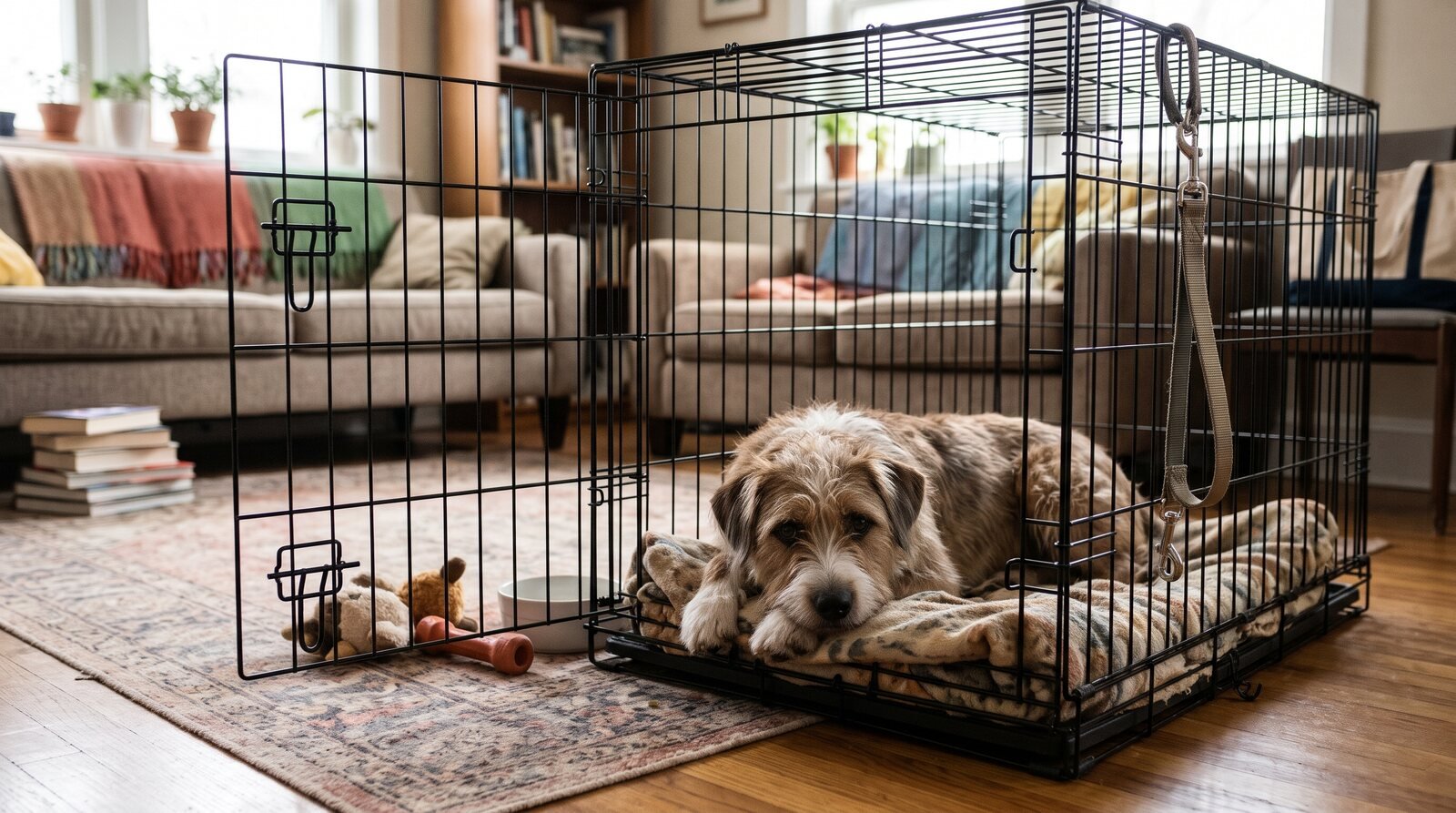
To start a dog rescue, you need four things before you take in your first dog: a small board of people you trust, a nonprofit corporation in your state, a veterinarian who will work with you, and two or three foster homes. The IRS paperwork for 501(c)(3) status matters too, but it comes after those. This guide walks through each step in the order a small, foster-based rescue usually does it, with what it costs and where people get stuck.
One honest warning before the steps. Most new rescues don’t fail because of paperwork. They fail because the founder says yes to every dog, the vet bills arrive faster than the donations, and the two people doing everything burn out by year two. Every step below is built to stop that from happening to you.
Step 1: Foster or volunteer for an existing rescue first
If you have never fostered, do it for six months with an established rescue before you start your own. You’ll learn how intake works, what an adoption contract looks like, how a rescue handles a dog that bites, and what a parvo puppy does to a budget. You’ll also meet the people who will later become your board, your fosters and your transport drivers.
Plenty of people find out during this stage that what they actually want is to foster more dogs, not run an organization. That’s a perfectly good outcome, and the dogs benefit either way.
Step 2: Decide what kind of rescue you’ll be
Write one paragraph that answers these questions. It becomes your mission statement and it will save you from a hundred hard conversations later.
- Foster-based or facility? Almost every new rescue starts foster-based: dogs live in volunteers’ homes, and there’s no building, no kennel license and no rent. A facility only makes sense once you have years of steady donations.
- Which dogs? Pulling from one or two local shelters, a single breed, seniors, medical cases or owner surrenders. A narrow focus makes fundraising easier because supporters know exactly what they’re paying for.
- Where? The counties you’ll adopt into. Home visits and returns get very hard past about an hour’s drive.
- How many? Your cap is the number of approved foster homes, not the number of dogs that need help. The need will always be bigger.
Step 3: Build a board of three people
A nonprofit is run by a board of directors, and many states require at least three. Pick people who bring different skills: one who’s good with money, one who’s good with people and social media, and one who knows dogs. Avoid a board made of you plus two relatives who never come to meetings. The IRS application asks about relationships between board members, and grant funders look at it too.
Agree in writing on who signs checks, who can approve a vet bill over a set amount (say $300) and how you’ll decide which dogs to take. Those three decisions cause more rescue fallouts than anything else.
Free for rescues
A fundraiser that takes almost no volunteer time
Gifted Whiskers builds your rescue its own fundraiser page. Supporters order a custom portrait of their own pet, and 60% of our profit from every order goes to your rescue. There is nothing to stock, ship or staff.
Step 4: Incorporate as a nonprofit in your state
File articles of incorporation for a nonprofit corporation with your secretary of state. The filing fee varies by state, usually somewhere between roughly $25 and $125. Your articles need specific purpose and dissolution language for the IRS to accept them later, so use your state’s nonprofit template or the sample language in the IRS instructions for Form 1023, not a generic business form.
Then write bylaws (how the board votes, terms, officers, conflicts of interest) and adopt them at your first board meeting. Keep minutes. Funders ask for them.
Step 5: Get an EIN and open a bank account
An Employer Identification Number is free from the IRS and takes a few minutes online. You’ll need it to open a bank account in the rescue’s name. Never run rescue money through a personal account, even for the first month. It’s the fastest way to lose donor trust and it makes your 501(c)(3) application messier.
Step 6: Apply for 501(c)(3) status
Tax-exempt status is what makes donations tax-deductible and what most grants require. You have two options:
- Form 1023-EZ: a short online form with a $275 user fee. You qualify if you expect gross receipts of $50,000 or less a year for the next three years and have total assets of $250,000 or less. Most small foster-based rescues fit.
- Form 1023: the full application, $600, and it takes longer. Use it if you expect to grow past those limits quickly.
Check the current fees on the IRS’s Form 1023 user fee page before you file, since they can change. If you apply within 27 months of incorporating, your exemption is usually backdated to the date you incorporated, so early donations count.
Step 7: Check state rules before you ask for money or adopt out a dog
Two kinds of state rules catch new rescues:
- Charitable solicitation registration. Most states require charities to register before asking the public for donations. It’s usually through the attorney general or secretary of state, and small groups are sometimes exempt. Look it up before your first fundraiser.
- Rescue or shelter licensing. Some states license or register rescues, including foster-based ones. Colorado’s Pet Animal Care Facilities Act program is one well-known example. Others regulate dogs brought in from out of state, which matters if you pull from Southern shelters. Call your state department of agriculture and ask directly.
Step 8: Line up a vet and set your policies
Ask local clinics whether they offer rescue pricing. Many do, especially for spay and neuter. One reliable vet partner is worth more than a big donation, because vetting is where your money goes. Plan on a few hundred dollars per dog for the basics (exam, vaccines, heartworm test, microchip, spay or neuter) before anything goes wrong. A single heartworm-positive dog can cost $500 to $1,500 or more to treat.
Then write the documents every rescue needs:
- Foster agreement: what the rescue pays for, what the foster pays for, and who approves vet visits.
- Adoption application and contract: including a return clause, so the dog comes back to you and not to a shelter.
- Intake policy: which dogs you’ll take and the bite-history line you won’t cross.
- Adoption fee schedule: fees typically cover only part of vetting, but they matter.
Step 9: Set up the tools adopters will find you on
List your dogs on Petfinder and Adopt-a-Pet, both free for rescues once approved. Use rescue software such as Shelterluv, Petstablished or RescueGroups.org to track dogs, medical records and applications. A simple website with an adoption application, your available dogs and a donate button is enough at the start. Good photos sell dogs. A volunteer who takes bright, eye-level photos outdoors is one of the most valuable people you’ll recruit.
Get liability insurance before your first adoption event. Ask a broker who has insured other rescues. It’s not glamorous, but one dog bite at a public event can end an uninsured rescue.
Step 10: Plan your money before your first dog arrives
Startup costs for a foster-based dog rescue are modest: state filing, the IRS fee, a website and insurance often come to under $1,500. The real cost is running it. Vetting, food, preventatives and transport add up month after month, and adoption fees rarely cover them.
Most small rescues fund themselves from four sources:
- Adoption fees, which cover part of each dog’s vetting.
- Individual donors, which means monthly donors on a small recurring amount. They’re the steadiest money you’ll ever have.
- Grants, once you have 501(c)(3) status. See our list of grants for animal rescues for who funds small groups.
- Fundraisers. Pick ones that don’t eat your volunteers’ weekends. Our guide to animal rescue fundraiser ideas sorts 15 of them by how much time and money they take.
If you’re starting with almost nothing in the bank, read how to start an animal rescue with no money. It covers fiscal sponsorship, in-kind help and what to put off until later.
Mistakes that sink new dog rescues
- Taking dogs beyond foster capacity. Boarding fees eat a budget in weeks.
- Skipping the return clause in the adoption contract.
- No written intake limits, so every urgent post on Facebook becomes your dog.
- Mixing personal and rescue money.
- One person doing everything. If you are the only one who can approve an adoption, the rescue stops when you get sick.
How long does it take to start a dog rescue?
Plan on about three to six months from your first board meeting to being ready for dogs. Incorporation is usually quick. Form 1023-EZ decisions often come back within a few weeks, and the full Form 1023 can take several months. Building a reliable foster network is what takes the longest, and you can start on it while you wait on paperwork.
Free for rescues
A fundraiser that takes almost no volunteer time
Gifted Whiskers builds your rescue its own fundraiser page. Supporters order a custom portrait of their own pet, and 60% of our profit from every order goes to your rescue. There is nothing to stock, ship or staff.
Dog rescue questions
Do you need a license to start a dog rescue?
It depends on your state and sometimes your county. Some states require rescues to register or be licensed and inspected, others don’t. Check your state agriculture department or animal welfare office before taking in dogs.
How many foster homes does a new dog rescue need?
Enough to never have a dog without a safe place to go. Many small rescues start with a handful of reliable fosters and only take in as many dogs as they have homes ready for.
How long does it take to get 501(c)(3) status for a rescue?
Timelines vary. Many groups use the IRS short form (Form 1023-EZ) if they qualify, which is usually faster than the full application. Starting under a fiscal sponsor lets you accept tax-deductible gifts while you wait.
Get an extra 10% off your first order
Works on top of our sale prices. Join our email list for your code, new portrait styles and early word on sales. A few emails a month at most.
We’ll email a link to confirm first. Unsubscribe anytime. Privacy policy.