
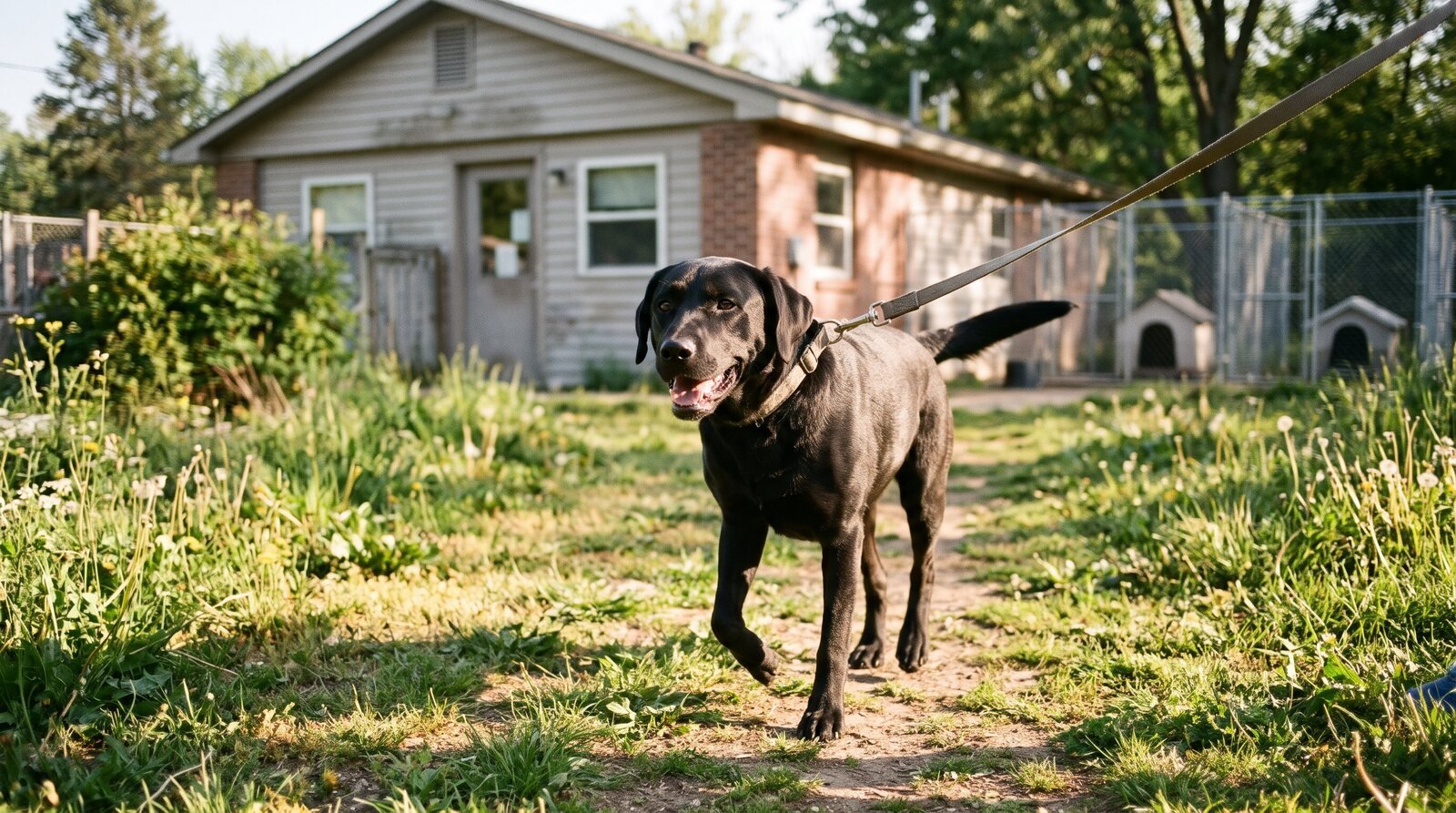
To volunteer at an animal shelter, you usually fill out an online application, attend an orientation, and finish a short training before you’re scheduled for regular shifts. Most shelters want adult volunteers to be at least 16 or 18. Younger teens can often help alongside a parent or in a youth program. Expect the shelter to ask for a minimum commitment, often a few hours a week or a month for at least several months, because training each new volunteer takes staff time.
Here’s what the process looks like, the jobs you can do, and how to make the most of the hours you give.
Step by step: how volunteering usually works
- Find shelters and rescues near you. Search for your county shelter, your local humane society and rescue groups on Petfinder. Each one has its own program.
- Read the volunteer page. Check age limits, the minimum time commitment, and whether there’s a waitlist. Popular programs fill up, especially in cities.
- Apply online. Expect questions about your experience with animals, your availability and what you’d like to do. Some shelters charge a small fee for a T-shirt or background check.
- Go to orientation. You’ll learn safety rules, disease control (such as handwashing and the order to visit animals in) and how the shelter runs.
- Complete training for your role. Dog walking often has levels. You start with easier dogs and earn your way up to strong pullers and dogs that need more experience.
- Book regular shifts. Consistency matters more than hours. The same volunteer every Tuesday is far more useful than a big burst of hours one month.
Age rules for volunteers under 18
Age limits vary from shelter to shelter, but a common pattern looks like this:
| Age | What’s often allowed |
|---|---|
| Under 12 | Usually not on site. Home projects such as making toys or running a donation drive |
| 12 to 15 | Often allowed with a parent or guardian volunteering alongside, or in a youth program |
| 16 to 17 | Many shelters allow independent volunteering with a signed parent waiver, sometimes with limits on dog handling |
| 18 and up | Full program, including walking larger dogs and fostering |
If your local shelter’s minimum age is too high, look at smaller rescue groups. They’re sometimes more flexible, and they always need help with events, donation drives and social media.
Volunteer jobs at a shelter
With the animals
- Dog walking and exercise. This is the most popular job, so it can have a waitlist.
- Cat socializing. Sitting quietly with shy cats so they learn to trust people and show well to adopters.
- Enrichment. Stuffing food toys, running playgroups and reading to anxious dogs.
- Fostering. Taking an animal home for weeks or months. It’s often the job a shelter needs most, especially for kittens, puppies, seniors and animals recovering from surgery.
Behind the scenes
- Laundry and dishes. Unglamorous, constant and hugely appreciated.
- Transport. Driving animals to vet appointments, adoption events or partner rescues.
- Photography. Clear, bright photos of an animal’s face help it get adopted. If you’re good with a camera, offer this.
- Writing bios and running social media. A short, honest bio that says what a dog is like at home matters to adopters.
- Front desk and adoption events. Greeting visitors, answering questions and helping adopters with paperwork.
From home
- Fundraising. Running a birthday fundraiser, a donation drive or an online campaign.
- Grant research and writing, if you have office or writing skills. Small rescues rarely have anyone to do it.
- Making enrichment items, such as snuffle mats and simple cat toys.
Shopping that gives back
Help a rescue with a gift you would buy anyway
When you order a custom pet portrait through a rescue’s Gifted Whiskers page, 60% of our profit goes to that rescue. Rescue Me WV in West Virginia is running one for Christmas right now.
What to expect on your first shifts
Wear closed-toe shoes and clothes you don’t mind getting dirty. You’ll wash your hands a lot, often between every animal. You’ll likely be told not to let dogs greet each other through kennel doors, not to take animals out of areas you aren’t trained for, and to report any injury, even a scratch. Those rules protect you and they protect animals from spreading illness.
It’s also emotional work. You’ll get attached to animals who are waiting a long time, and some won’t make it out. Many volunteers find that focusing on one specific animal at a time, and celebrating each adoption, keeps them coming back. It’s fine to take breaks.
How to be a volunteer the shelter loves
- Show up for the shifts you book, or cancel early.
- Follow the handling rules even when an animal seems friendly.
- Tell staff what you notice, like a dog who’s limping or a cat who hasn’t eaten. Volunteers see animals more than anyone.
- Say yes to unexciting jobs. The person who folds towels without being asked becomes the person trusted with harder work.
- Ask where help is needed most this month. It changes with the seasons, and kitten season is a crunch.
Can’t volunteer on site? Help in other ways
If shifts don’t fit your schedule, or there’s a long waitlist, you can still help a lot:
- Donate the items shelters use most. Our guide to animal shelter donations covers what helps and what to skip.
- Share adoptable animals on your own social media. A share from a local friend reaches adopters that a shelter’s page doesn’t.
- Help a rescue raise money without running an event. Our guide to animal rescue fundraiser ideas lists ideas that take almost no volunteer time, including some that run online.
Thinking about going further?
Many people who start as shelter volunteers end up fostering, and some go on to start rescues of their own. If that’s where you’re headed, read how to start a dog rescue to see what’s involved before you take the leap.
Common questions about shelter volunteering
Do you need experience to volunteer at an animal shelter?
No. Shelters train new volunteers and start them on simpler jobs. Experience with dogs may get you onto advanced dog-walking teams faster.
Does volunteering count for school service hours?
Often, yes. Ask the volunteer coordinator to sign your log. Many shelters do this regularly for high school students.
How many hours do shelters expect?
It varies. A common ask is a weekly two- or three-hour shift for at least three to six months. Fostering and event help can be more flexible.
What if I’m allergic to cats or dogs?
Choose the species you’re not allergic to, or help with transport, fundraising, photography or office work, all of which keep you away from kennels.
Shopping that gives back
Help a rescue with a gift you would buy anyway
When you order a custom pet portrait through a rescue’s Gifted Whiskers page, 60% of our profit goes to that rescue. Rescue Me WV in West Virginia is running one for Christmas right now.
Get an extra 10% off your first order
Works on top of our sale prices. Join our email list for your code, new portrait styles and early word on sales. A few emails a month at most.
We’ll email a link to confirm first. Unsubscribe anytime. Privacy policy.